Dubai Sets a New Record as the World’s Most Visited City in 2025

In 2025, Dubai achieved a historic milestone by becoming the world’s most visited city, reinforcing its position as a global tourism powerhouse. With record-breaking visitor numbers, strong aviation performance, and consistent growth in hospitality, the city has once again demonstrated its ability to lead the international travel industry.
Dubai’s success is not accidental. It is the result of long-term strategic planning, infrastructure investment, global marketing, and a diversified tourism offering that appeals to travelers from every continent.
Record-Breaking Visitor Numbers
In 2025, Dubai welcomed approximately 19.59 million international overnight visitors, marking a 5% increase over the previous year. This represents the highest annual visitor figure ever recorded in the city’s history.
The steady growth reflects Dubai’s appeal as more than just a luxury destination. The city attracts families, business travelers, solo explorers, and high-net-worth individuals alike. Its combination of safety, modern infrastructure, cultural diversity, and world-class entertainment continues to attract repeat visitors as well as first-time tourists.
Exceptional Airport Performance
Dubai’s tourism growth has been supported by its strong aviation sector. Dubai International Airport handled approximately 95.2 million passengers in 2025, maintaining its status as one of the busiest international airports in the world.
Dubai’s strategic geographic location between Europe, Asia, and Africa makes it a global transit hub. Major source markets for visitors include India, Saudi Arabia, the United Kingdom, China, Egypt, and Italy. This connectivity has allowed Dubai to outperform many traditional tourism capitals.
Future expansion plans at Al Maktoum International Airport are expected to further strengthen Dubai’s aviation capacity and support long-term tourism growth.
Strategic Vision and Economic Planning
Dubai’s tourism success aligns closely with the city’s broader economic strategy. The government continues to implement long-term development initiatives such as the Dubai Economic Agenda D33, which aims to double the size of Dubai’s economy and position it among the top global cities for business and tourism.
Policies that have contributed to tourism growth include simplified visa processes, digital transformation in public services, international marketing campaigns, and strong public-private partnerships. The city has also focused on enhancing investor confidence, infrastructure quality, and overall visitor experience.
Hospitality Sector Growth
Dubai’s hospitality sector recorded strong occupancy rates throughout 2025. The city continues to expand its hotel inventory across luxury, mid-range, and budget segments to accommodate diverse traveler preferences.
Average daily room rates and revenue per available room remained competitive, reflecting sustained demand and pricing strength. High-end resorts, urban lifestyle hotels, and branded residences all contributed to the city’s tourism performance.
Dubai’s ability to host major exhibitions, business conferences, sporting tournaments, and entertainment festivals has also strengthened year-round occupancy levels.
Attractions and Lifestyle Appeal
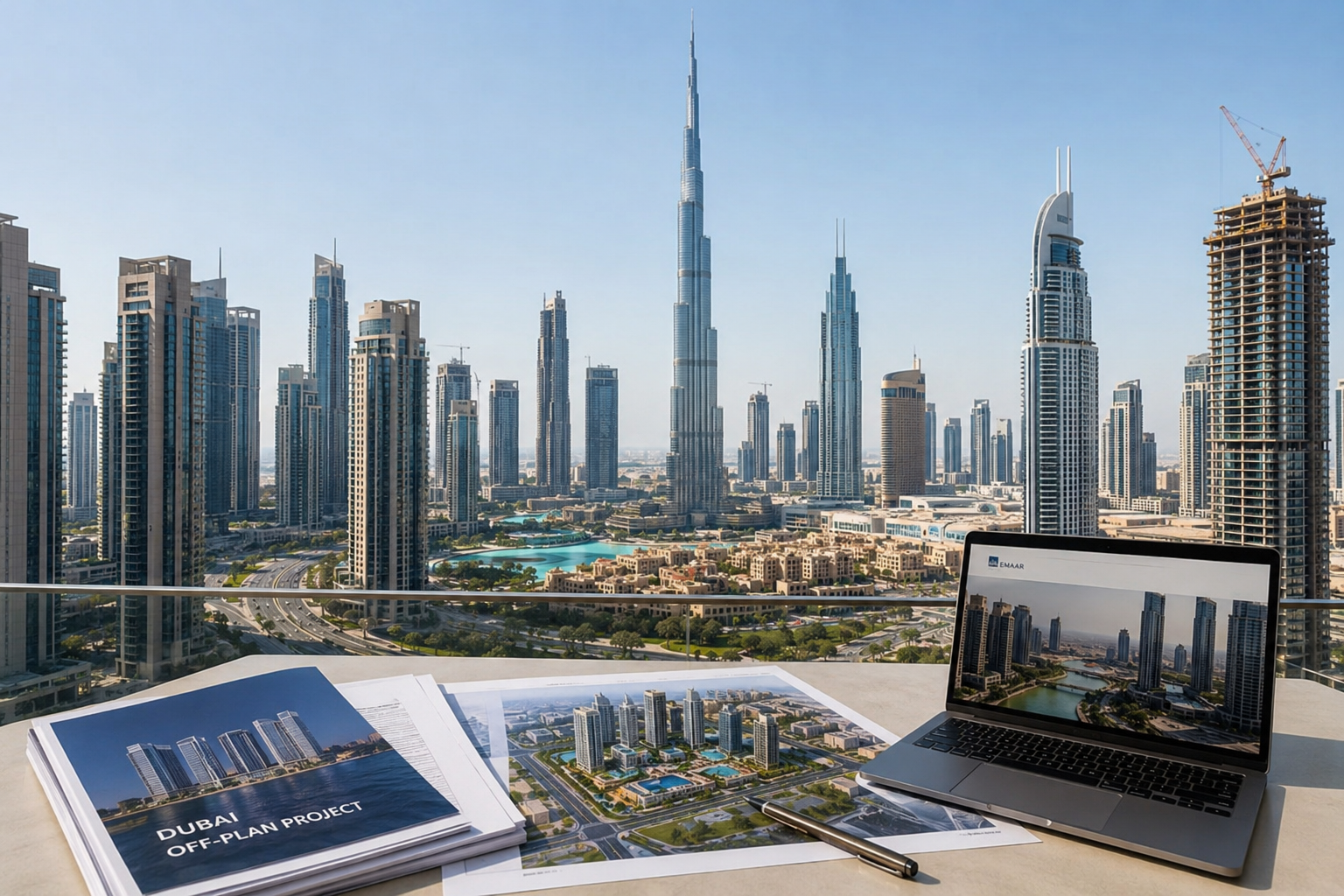
Dubai offers a unique mix of modern architecture, cultural heritage, shopping, entertainment, and beach tourism. Landmarks such as Burj Khalifa, Palm Jumeirah, and Dubai Mall continue to draw millions of visitors annually.
In addition to iconic attractions, Dubai’s desert experiences, fine dining scene, theme parks, luxury retail offerings, and cultural districts create a diversified tourism portfolio. This range allows the city to attract both leisure and business segments simultaneously.
Competitive Edge Over Global Cities
For decades, cities such as Bangkok, London, and Istanbul have dominated global tourism rankings. However, Dubai’s consistent double-digit growth over recent years has allowed it to compete directly with these established destinations.
Unlike many traditional cities, Dubai benefits from a relatively modern urban layout, advanced transport systems, high safety standards, and a strong regulatory framework. These factors enhance visitor confidence and overall travel convenience.
Economic Impact
Tourism remains one of the key pillars of Dubai’s economy. The sector contributes significantly to employment, retail performance, aviation growth, real estate demand, and foreign direct investment.
By setting a new global record in 2025, Dubai has strengthened its international brand image, encouraging further capital inflows and reinforcing its reputation as a stable and future-focused global city.
The Road Ahead
Looking forward, Dubai’s leadership continues to prioritize sustainable tourism, smart city initiatives, and infrastructure expansion. Investments in transportation networks, green mobility, hospitality developments, and cultural institutions are expected to maintain strong growth momentum.
With continued innovation, global connectivity, and strategic economic planning, Dubai is well positioned to sustain its status as the world’s most visited city in the coming years.
Conclusion
Dubai’s achievement in 2025 marks a defining moment in global tourism history. With nearly 20 million international visitors, record airport traffic, and a resilient hospitality sector, the city has successfully established itself at the forefront of international travel.
Through visionary leadership, world-class infrastructure, and a commitment to excellence, Dubai has transformed from a regional trading hub into a global tourism capital. The 2025 record is not merely a milestone but a reflection of sustained ambition and strategic execution that continues to shape the future of global travel.

_134-1783661767.webp)