Comparing Real Estate Investments: Dubai vs. Saudi Arabia
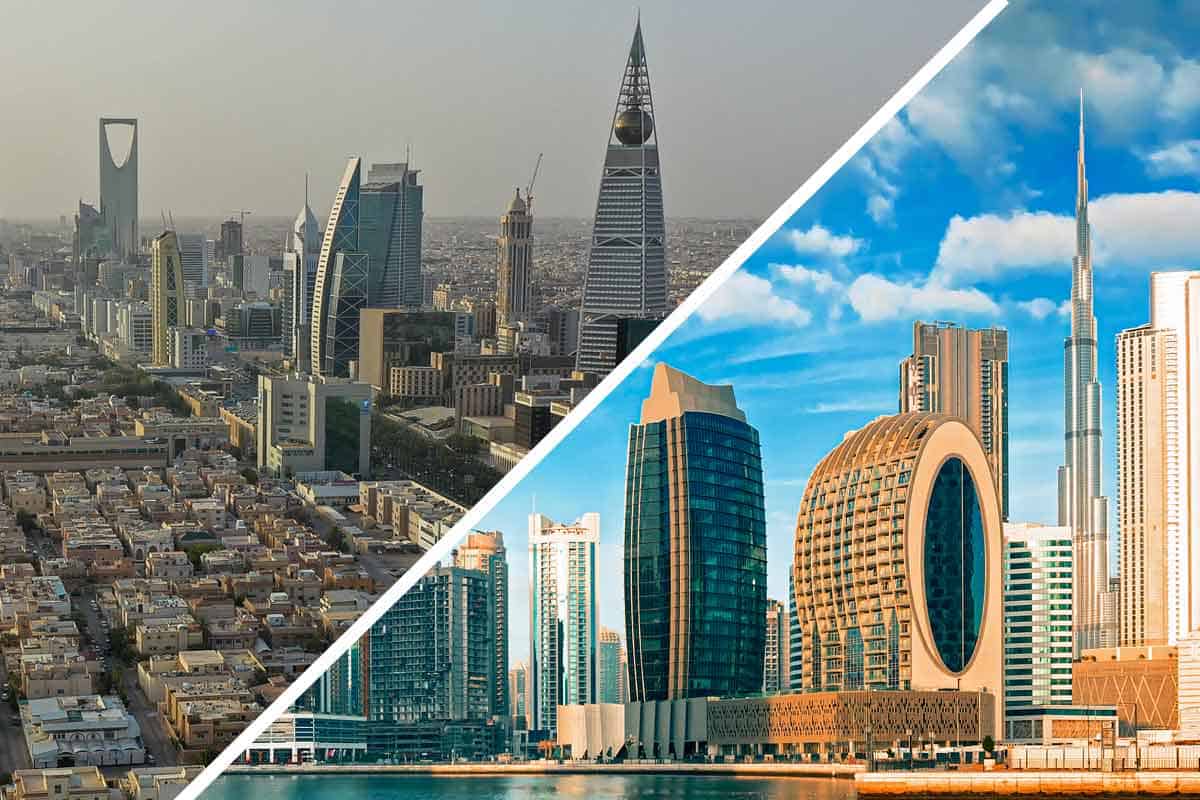
Real estate investors across the region are increasingly weighing opportunities between Dubai and Saudi Arabia. Both markets offer compelling potential, yet they differ widely in terms of maturity, transparency, regulatory clarity, and risk profile. Whether you are considering off-plan properties in Dubai or exploring early entry into Saudi Arabia’s opening real estate sector, understanding these differences is essential for making a confident investment decision.
Dubai’s Real Estate Market: Mature, Transparent, and Investor-Friendly
Dubai stands out as one of the most established and globally trusted real estate markets in the Middle East. With decades of foreign investment, a strong regulatory framework, and clear ownership laws, Dubai offers investors stability and confidence. Foreign nationals can purchase freehold property in designated areas without sponsorship or ownership restrictions, making entry straightforward and secure.
The absence of capital gains tax and rental income tax further strengthens Dubai’s appeal. Supported by consistent demand from expatriates—who make up approximately 88.5% of the population—and a thriving tourism sector, the market benefits from high liquidity and strong resale potential. Off-plan properties in Dubai are particularly attractive to investors seeking predictable returns, structured payment plans, and exposure to a globally connected city with a diversified economy.
In 2024, Dubai recorded a 22% increase in sales transaction value, while rental yields remained strong at 6–9%, with short-term rentals often outperforming this range. These fundamentals position Dubai as a low-risk, high-consistency investment destination.
Saudi Arabia’s Real Estate Market: Emerging Growth and Early-Mover Advantage
Saudi Arabia is undergoing rapid economic and urban transformation under Vision 2030, opening new doors for international investors. From 2026 onwards, foreign individuals and companies will be allowed to purchase property in designated zones—a major shift in market accessibility.
While the Saudi real estate market is still developing, lower entry prices in many cities offer an attractive early-mover advantage. The sector is projected to grow at a 7.5% CAGR between 2025 and 2030, with residential sales reaching SAR 118 billion (USD 32 billion) in 2024, a 50% year-on-year increase.
Rental yields in key cities such as Riyadh and Jeddah currently average 3.5–5%, with higher potential in select districts. Mega-projects like NEOM and The Line could drive significant long-term appreciation if execution continues as planned. However, investors should recognize that Saudi Arabia represents a growth-stage market, where long-term upside comes with evolving regulations and higher uncertainty.
Key Differences Between Dubai and Saudi Arabia
The most critical distinction between the two markets is maturity. Dubai offers a fully developed, transparent, and well-regulated ecosystem where transactions are efficient and investor protections are well established. Saudi Arabia, by contrast, is still refining its legal and regulatory framework for foreign ownership.
Dubai’s prime locations command higher prices—such as Palm Jumeirah at over AED 5,700 per sq. ft.—reflecting strong global demand. Saudi Arabia currently offers lower entry points, leaving more room for long-term capital growth.
|
Metric |
Dubai |
Saudi Arabia |
|
Average Rental Yields |
6–9% |
3.5–5% (Riyadh) |
|
Market Transparency |
Ranked 31st globally (Transparent) |
Ranked 49th (Semi-transparent) |
|
Foreign Ownership |
Established freehold laws |
New access from 2026 |
|
2024 Price Growth |
High-end prices up 12% |
Riyadh villa sales up 12% |
What This Means for Off-Plan Buyers in Dubai
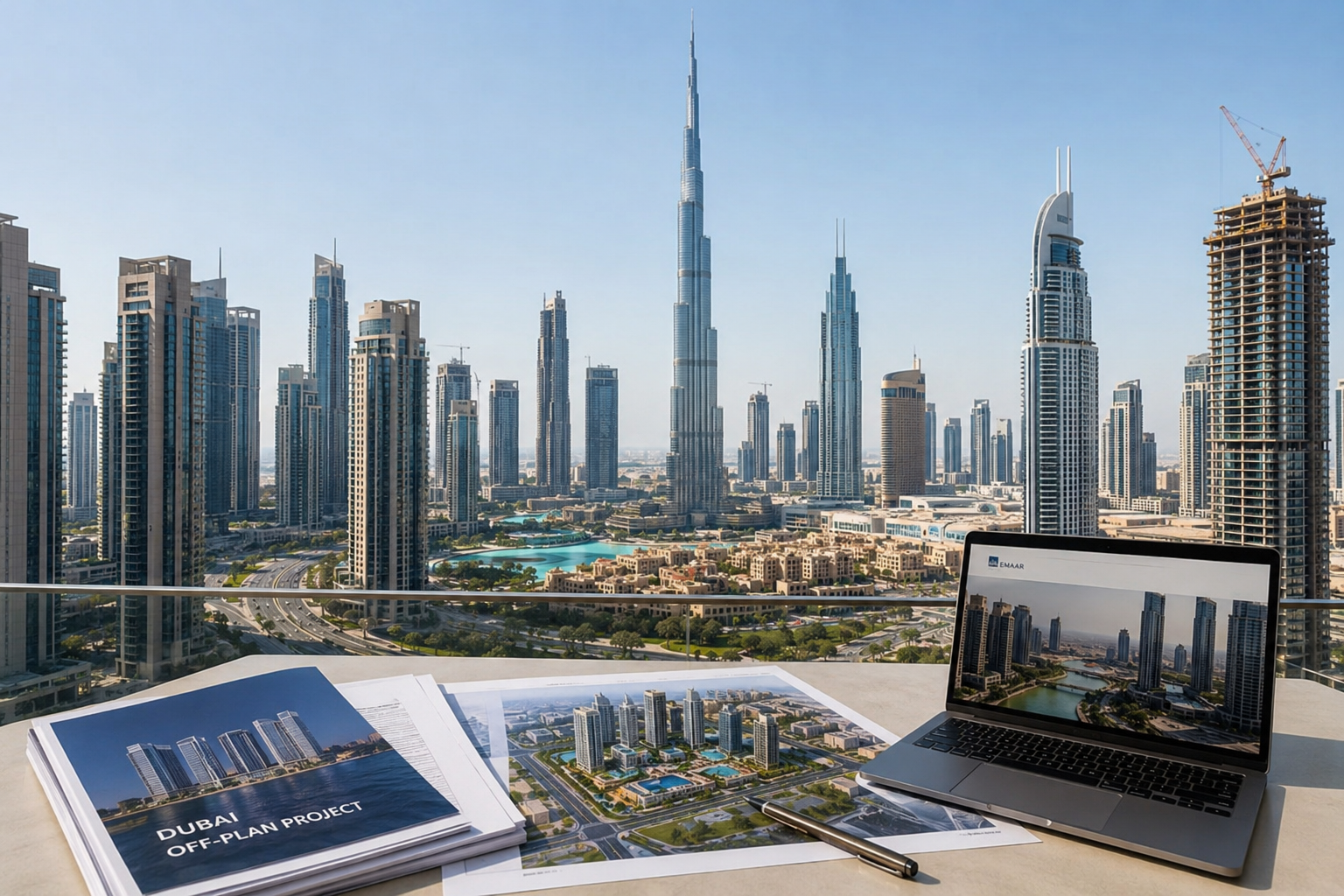
For investors prioritizing security, legal clarity, and stable income, Dubai remains one of the most dependable markets in the Gulf. Off-plan properties benefit from strong governance, world-class infrastructure, and sustained international demand. In 2024 alone, Dubai recorded 180,900 transactions worth AED 522.1 billion, reinforcing investor confidence in long-term value, rental performance, and exit flexibility.
When Saudi Arabia May Deliver Higher Returns
Saudi Arabia may appeal more to investors with a higher risk tolerance and longer investment horizon. Early entry into an opening market often provides significant upside if reforms progress as planned. With strong economic diversification and large-scale development underway, Saudi Arabia offers the potential for substantial appreciation over time—particularly for investors willing to navigate regulatory evolution.
Risks Investors Should Evaluate
Both markets carry distinct risks. Saudi Arabia’s primary challenges include regulatory uncertainty, evolving investor protections, and untested long-term demand. Dubai’s risks relate more to global interest rate cycles and potential oversupply in certain segments, with approximately 60,000 new units expected by end-2025. However, Dubai’s transparency and governance significantly reduce downside risk.
Thorough due diligence remains essential in both markets—reviewing developer credibility, ownership eligibility, payment plans, rental demand, and exit strategies.
Dubai or Saudi Arabia: Which Is Right for You?
Ultimately, the choice depends on your investment strategy. Investors seeking proven performance, transparency, and consistent returns will continue to favor off-plan properties in Dubai. Those focused on long-term growth and early-market entry may find Saudi Arabia’s evolving real estate landscape compelling. For many, a balanced approach—combining stable Dubai assets with selective exposure to Saudi Arabia—offers the best mix of security and growth.


_134-1783661767.webp)